2024
-
住宅設計 墨宅無座 |34坪
-
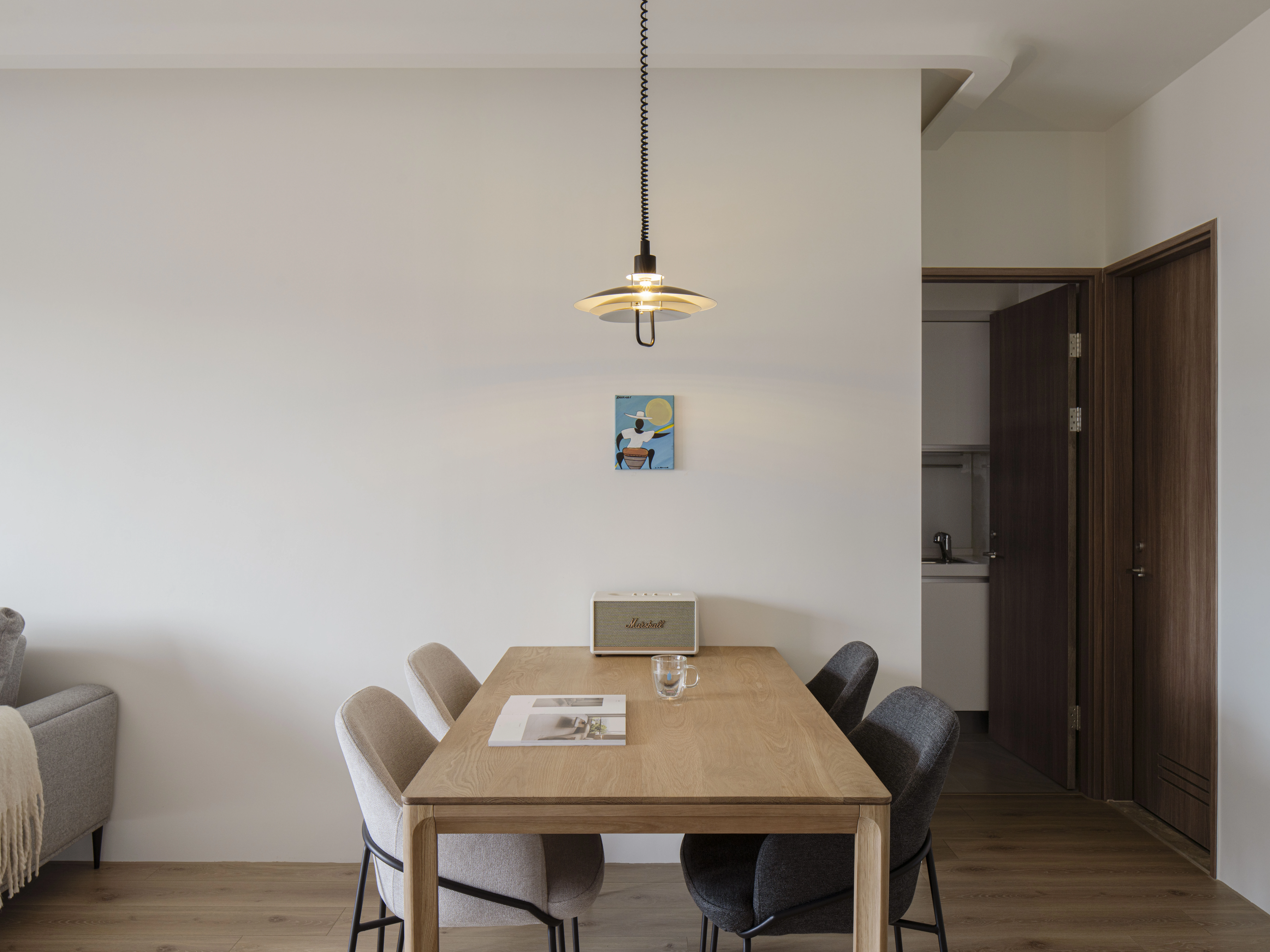
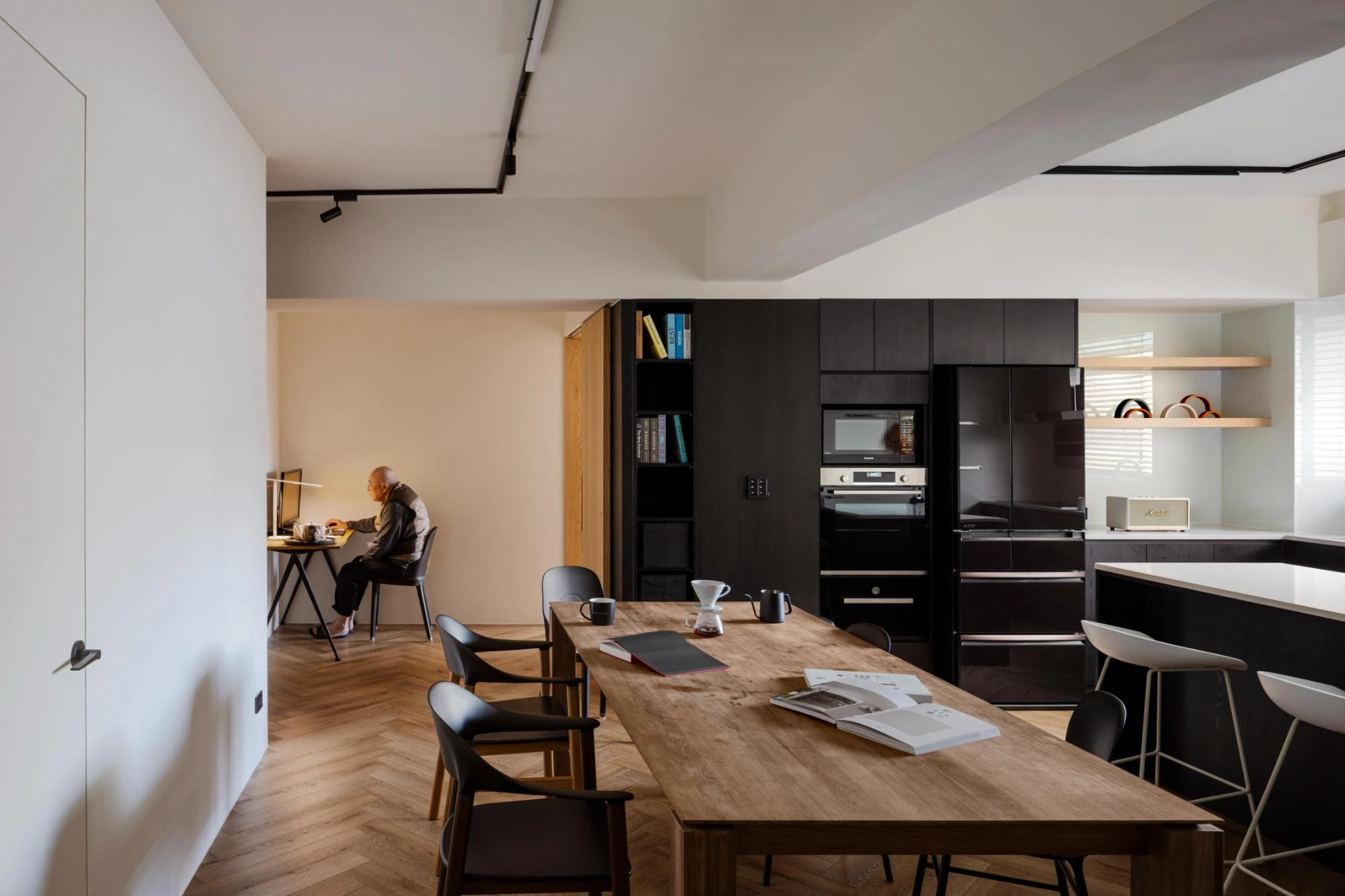
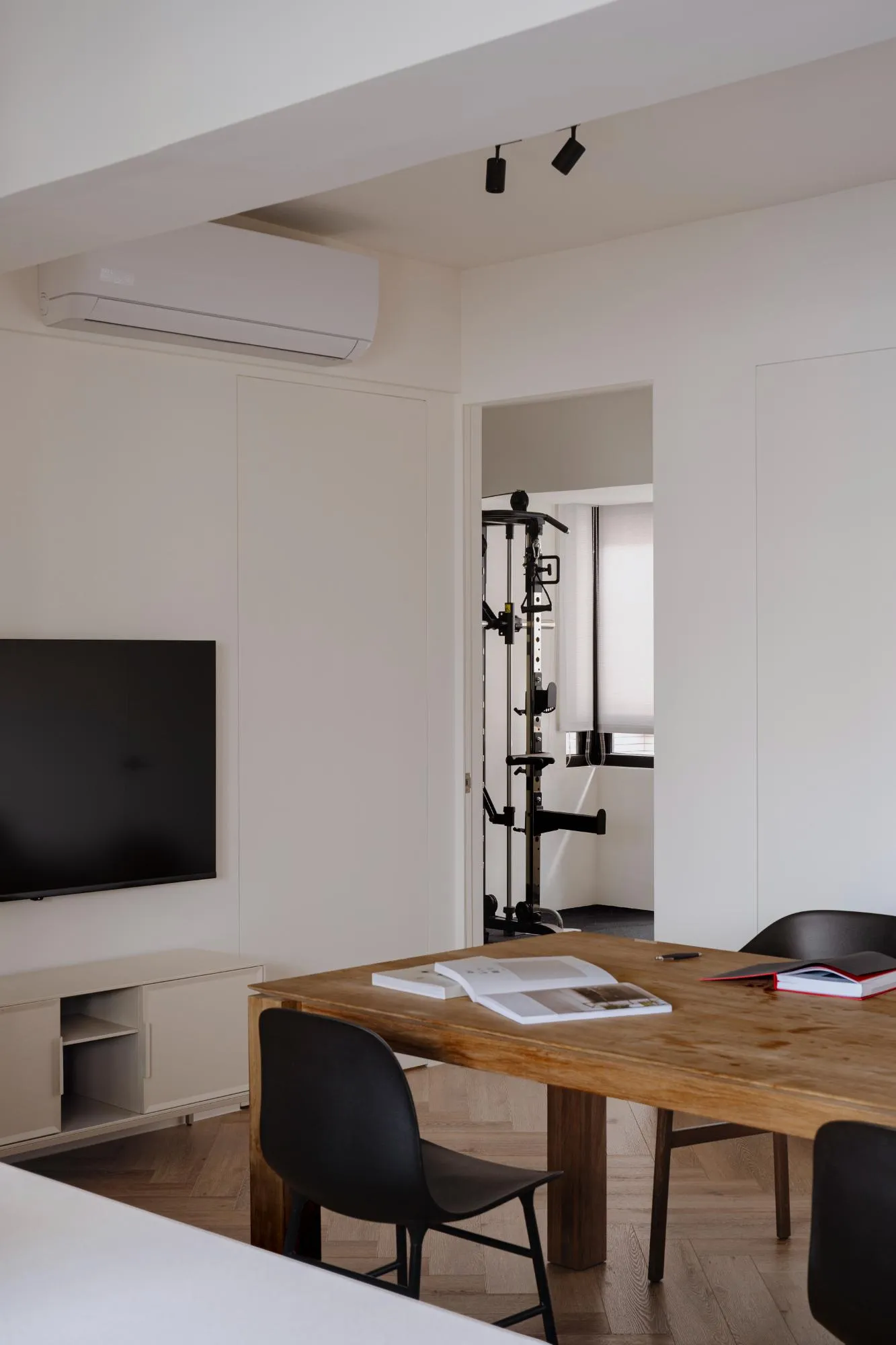
傳統客廳的核心往往是沙發,而本案顛覆這一慣例,捨棄過多裝飾,以長型餐桌為中心,搭配開放式廚房,打造極簡而富有互動性的生活場域。
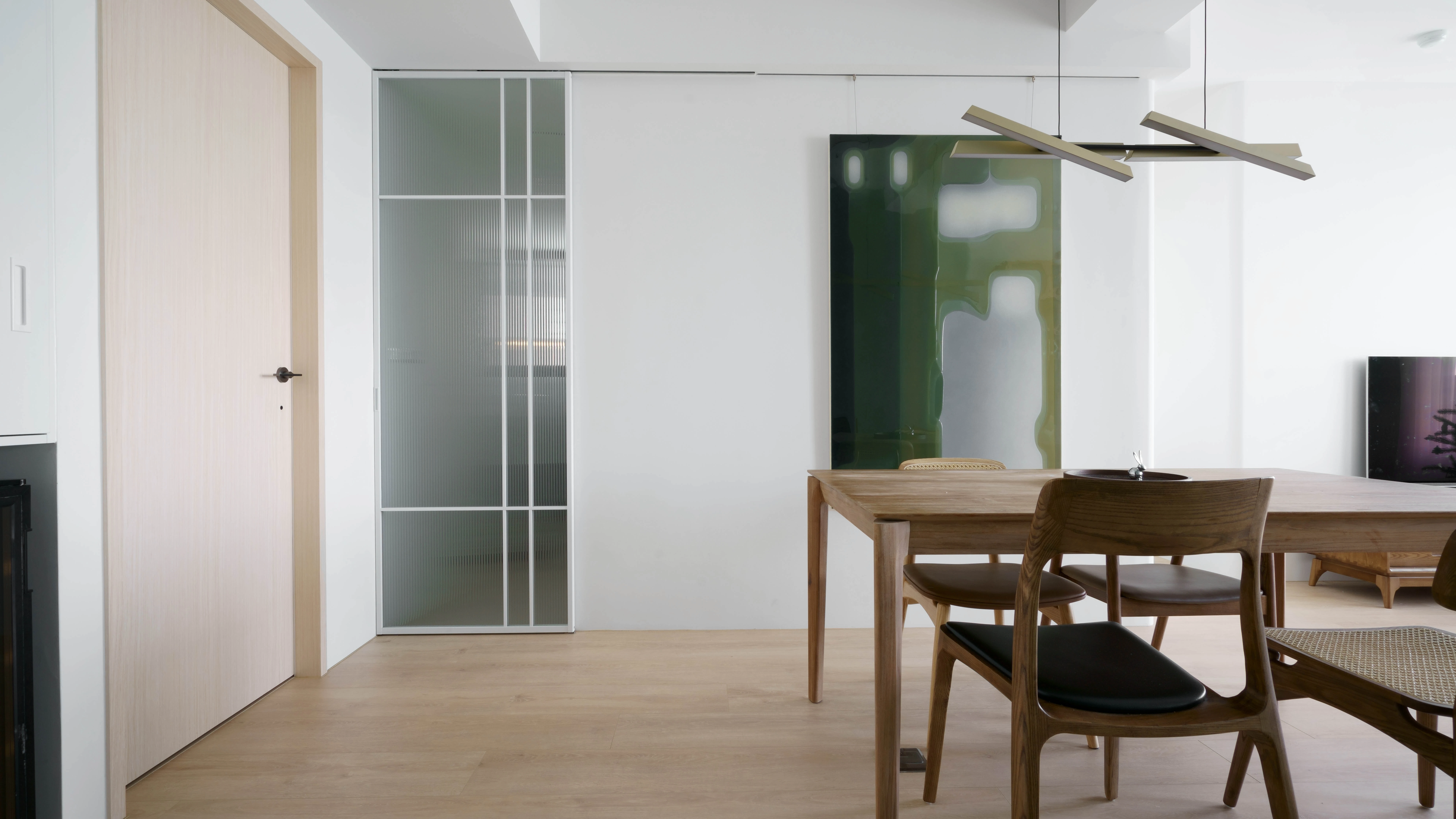
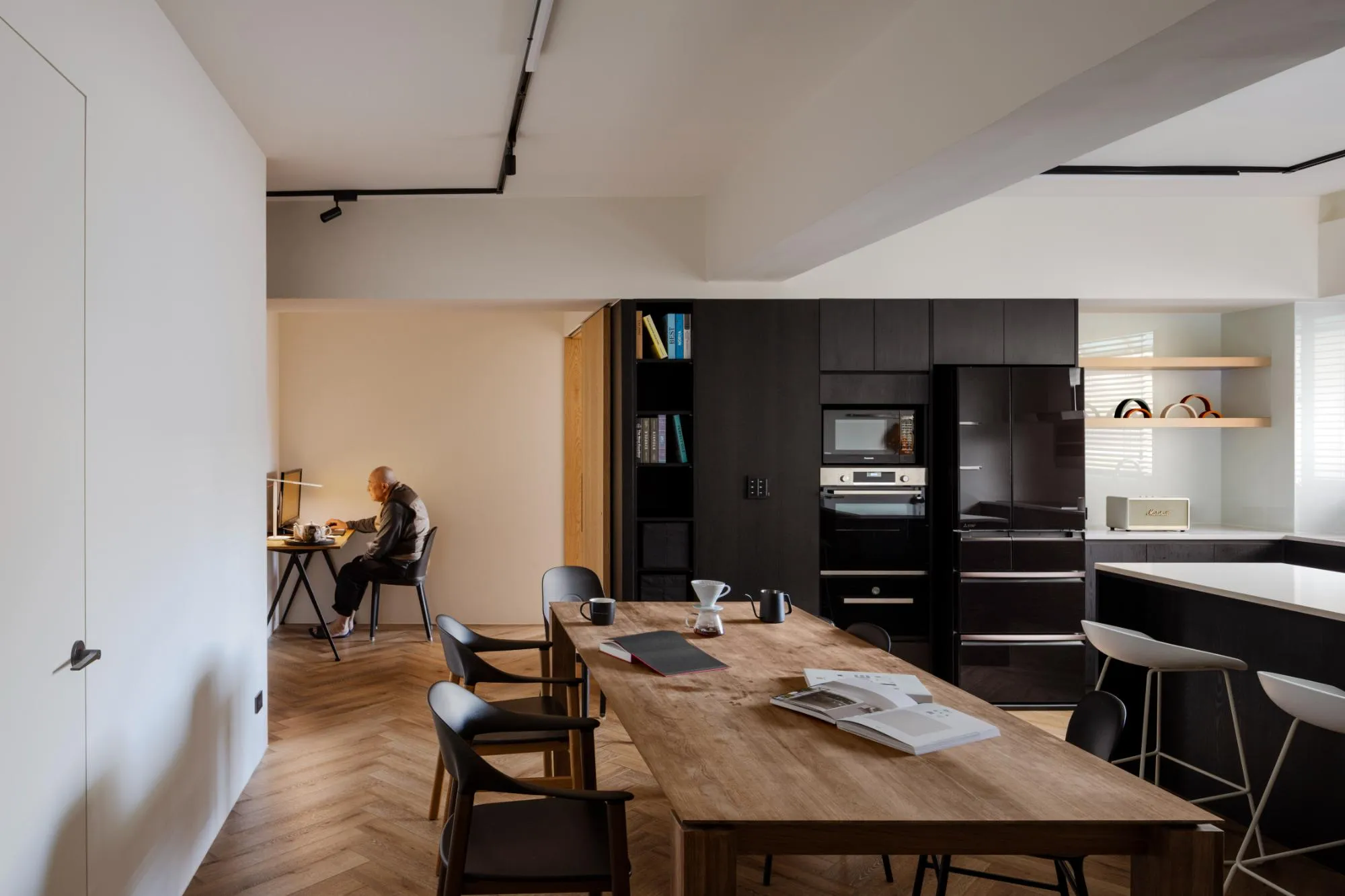
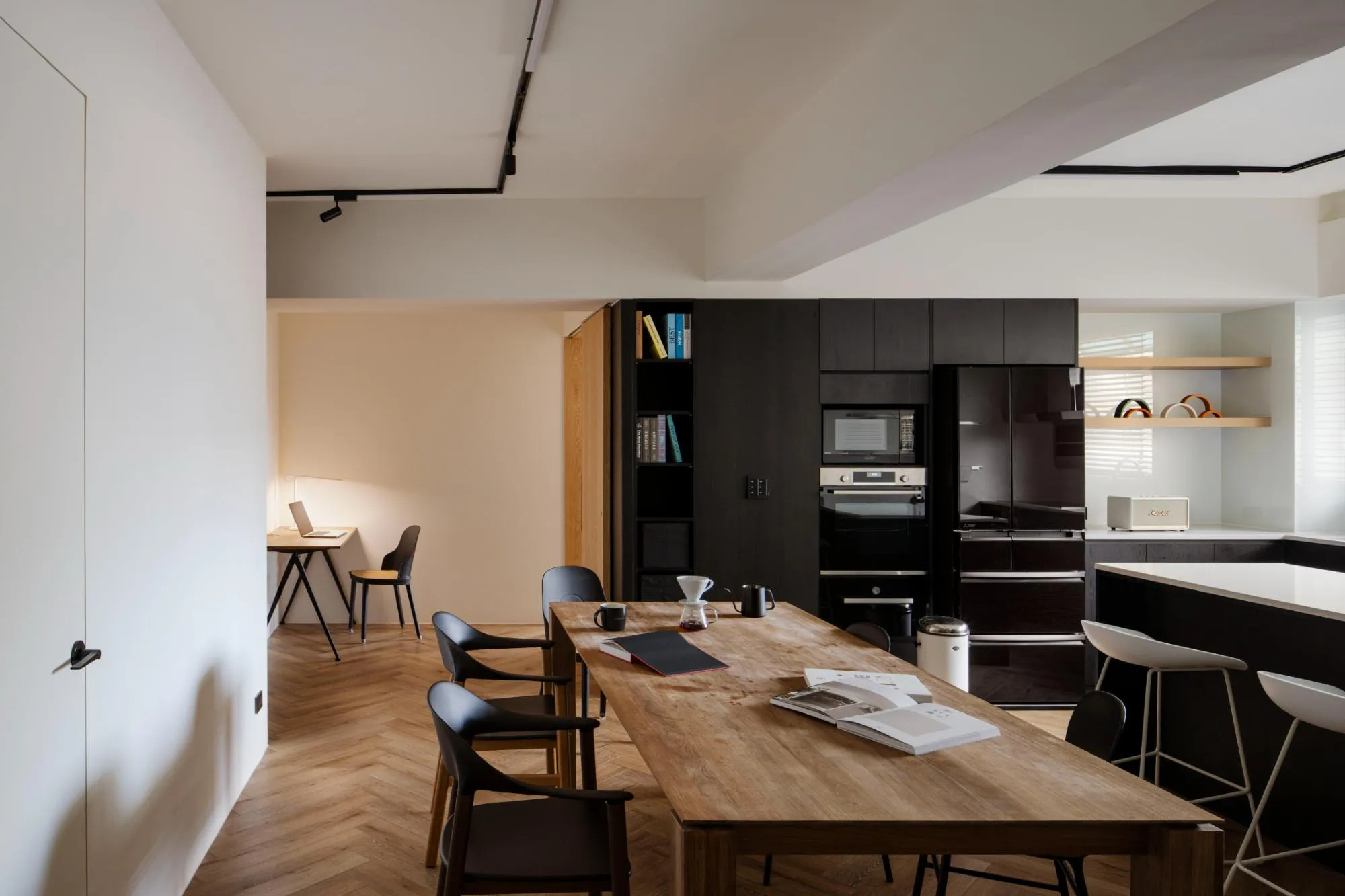
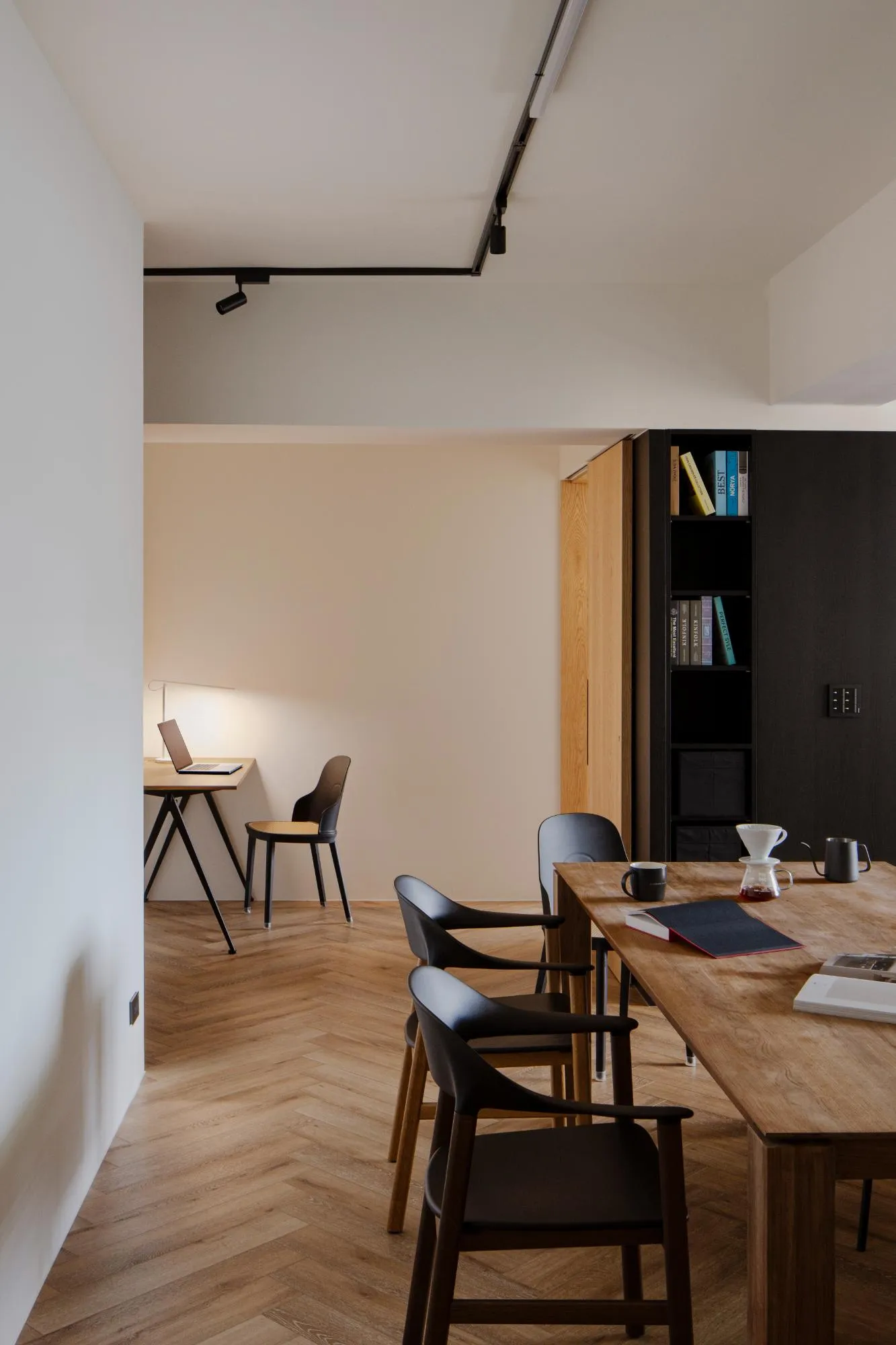
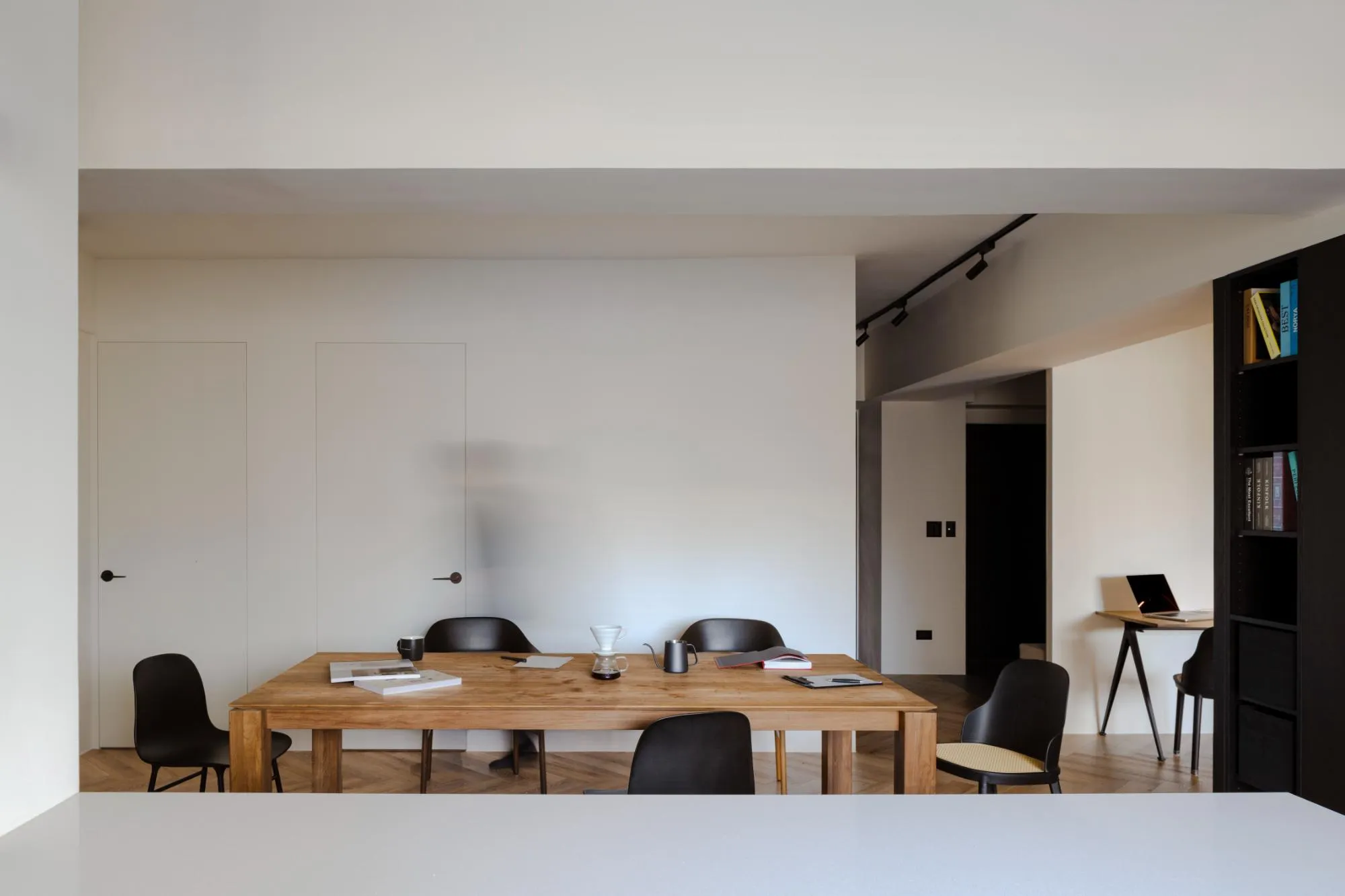
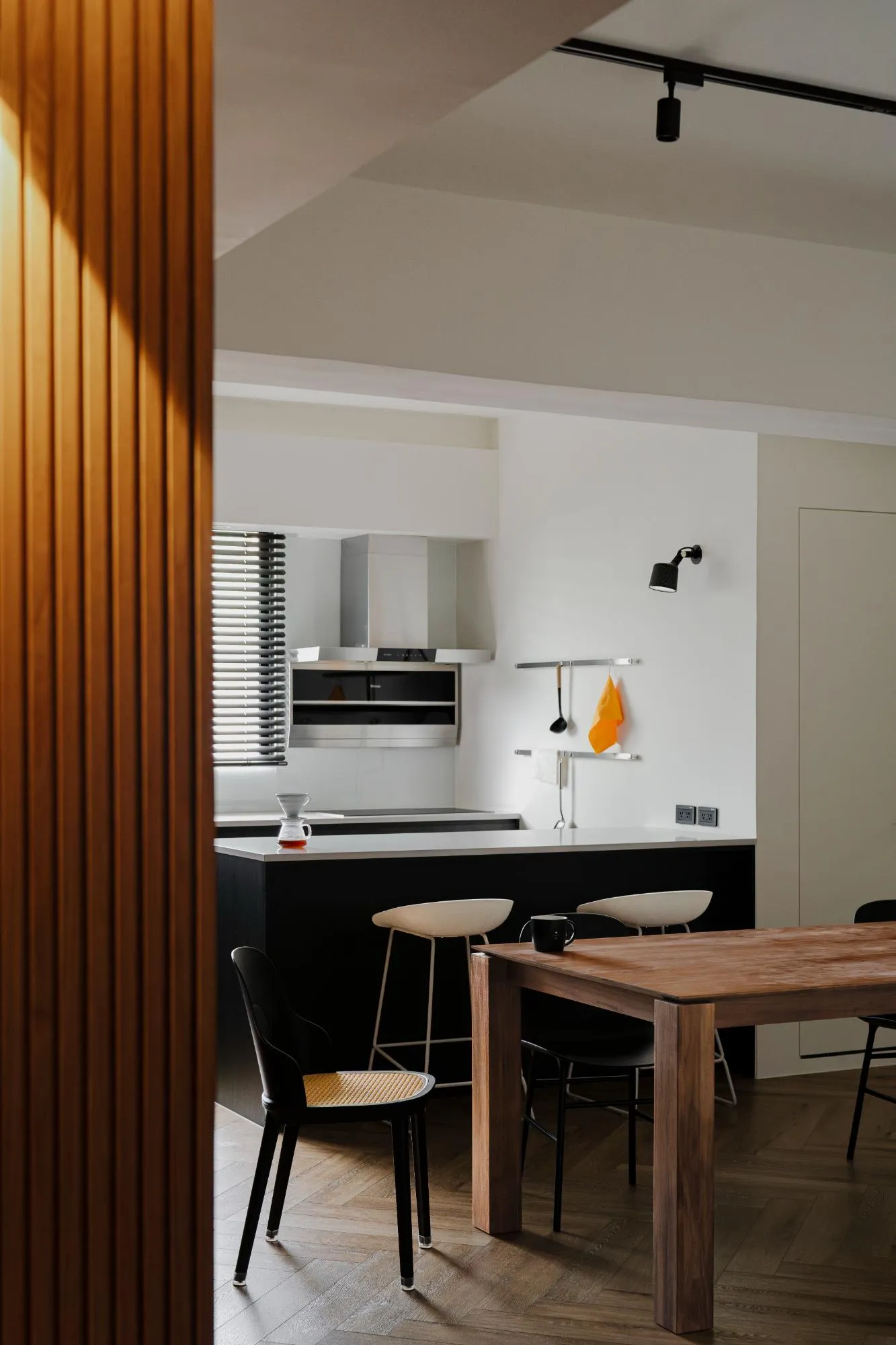
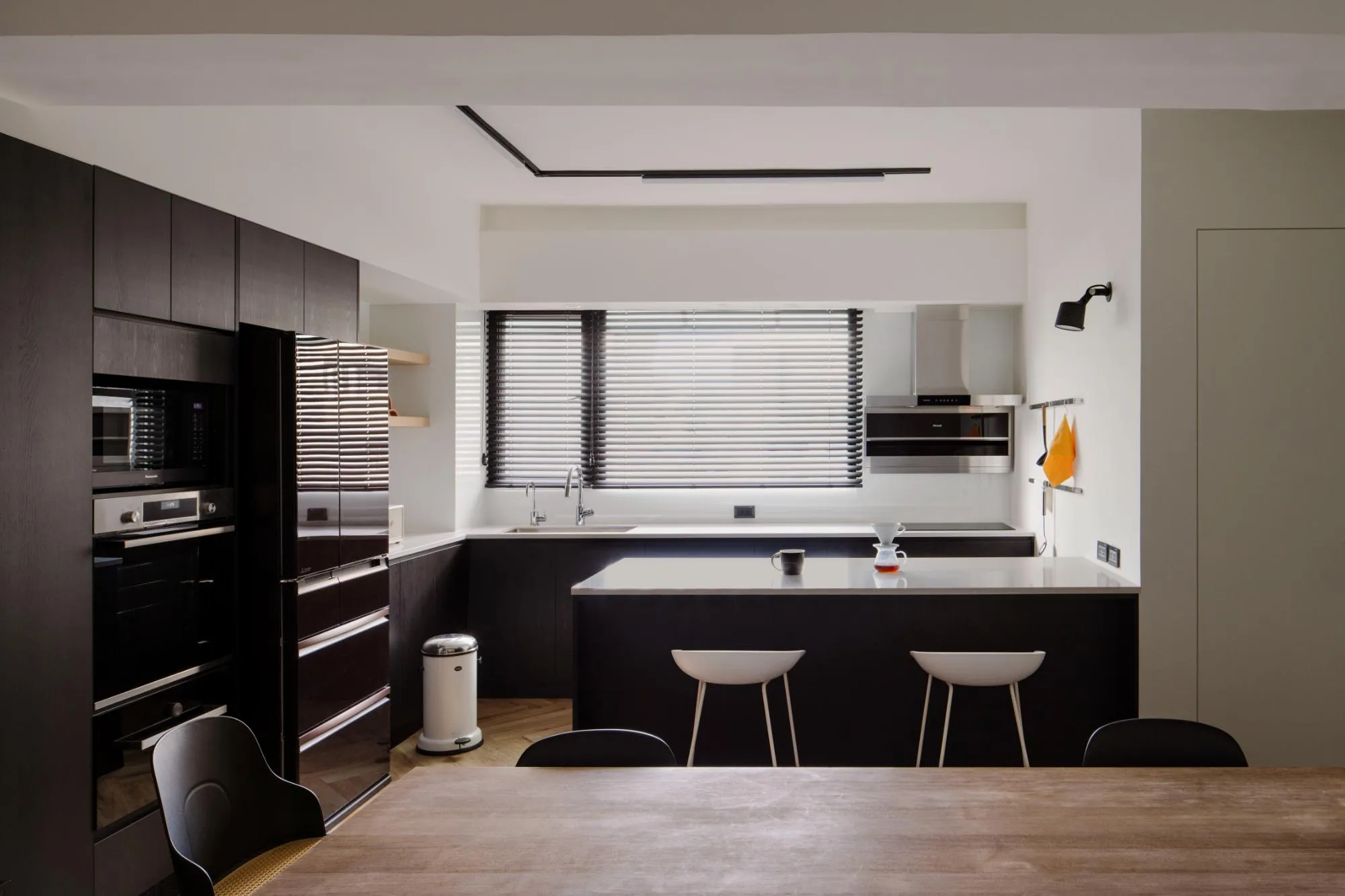
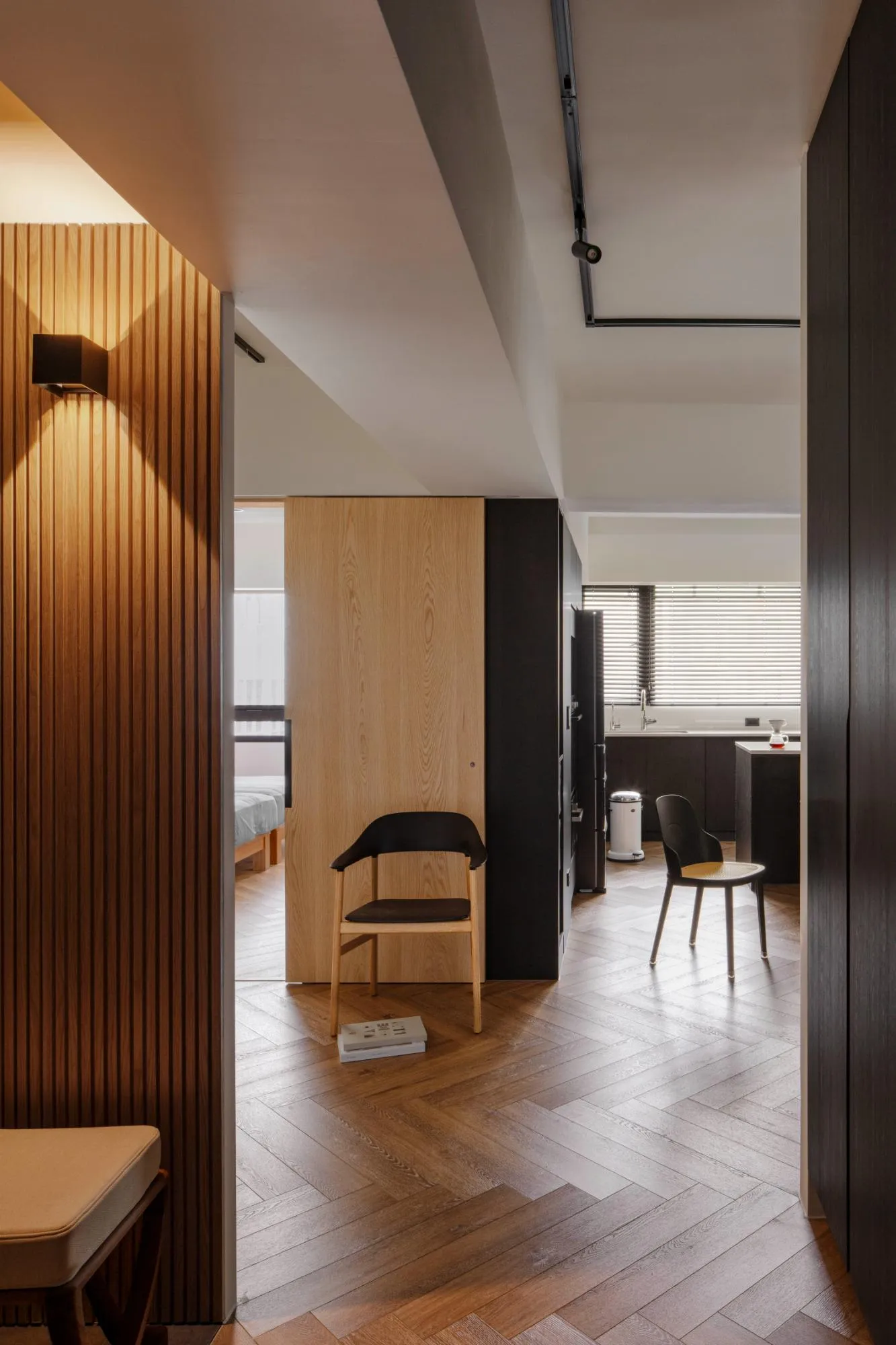
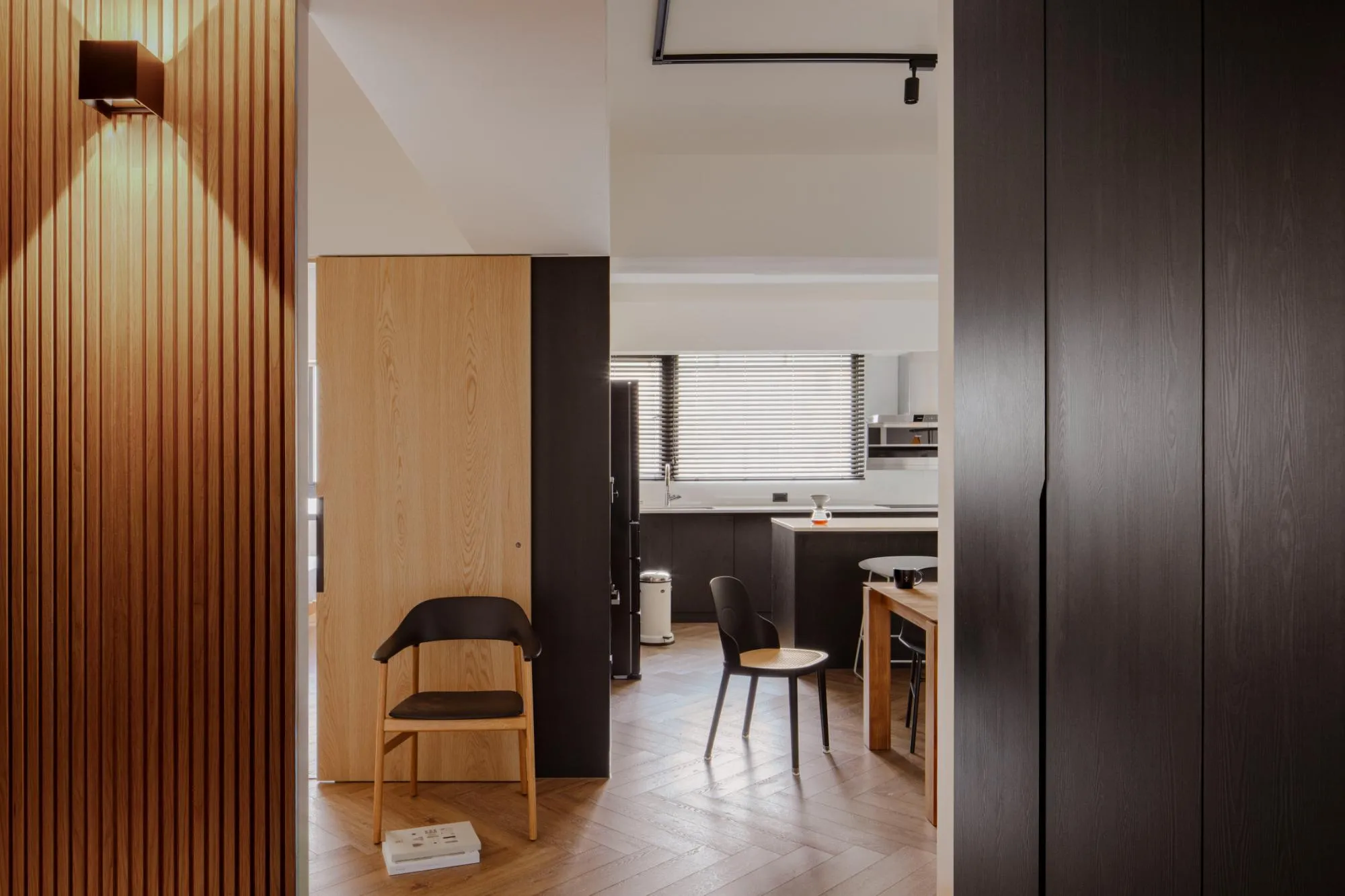
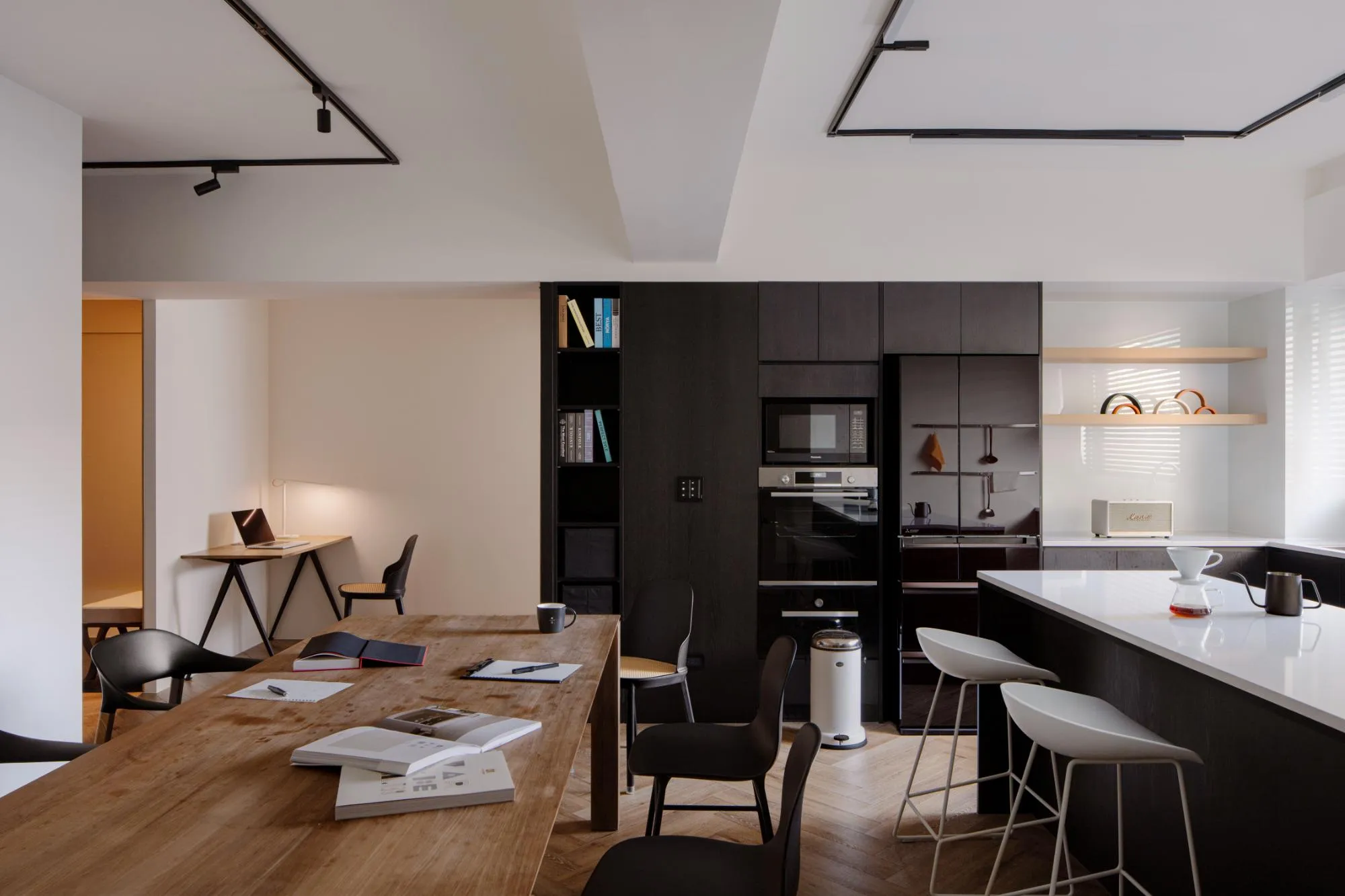
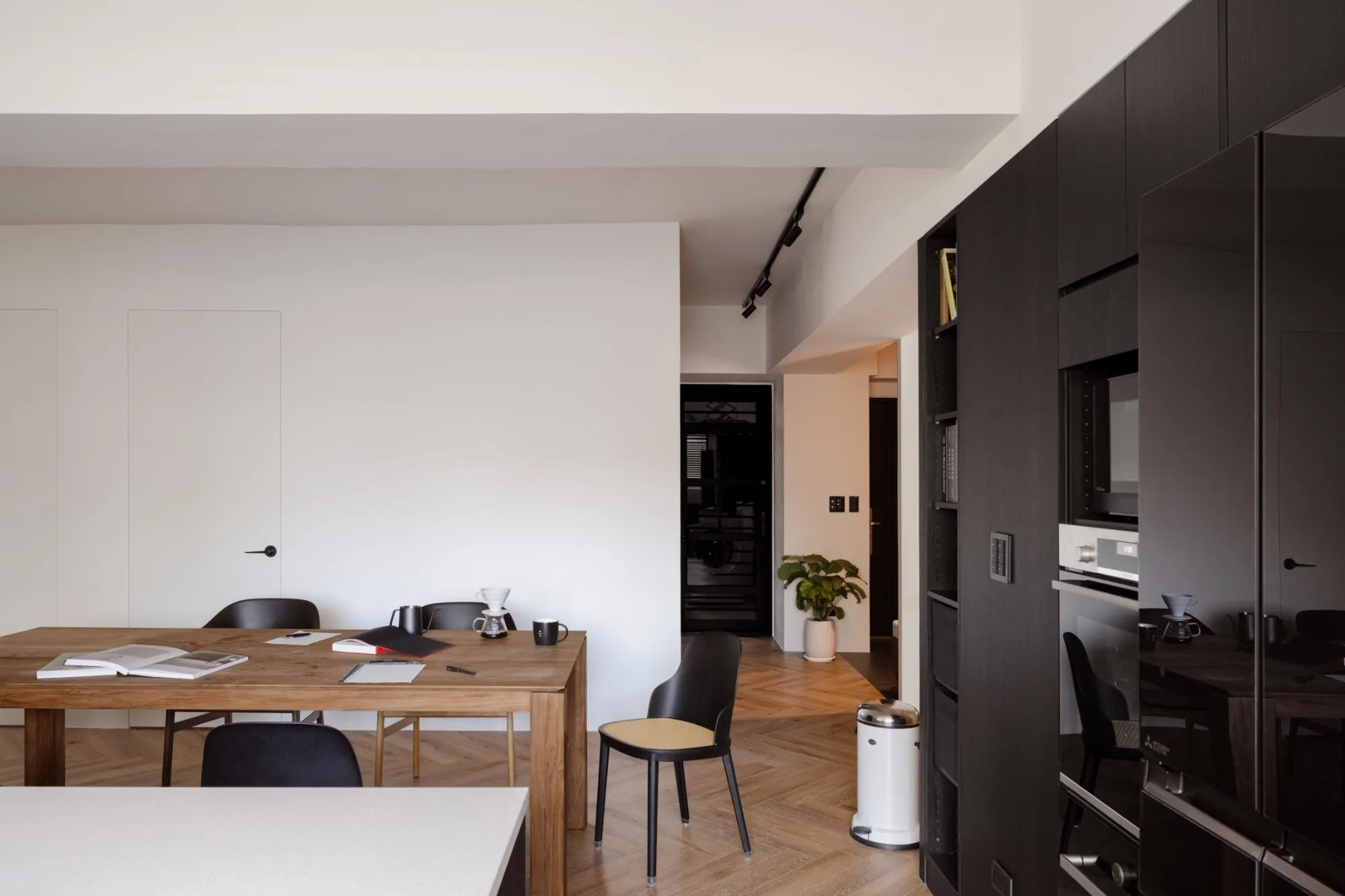
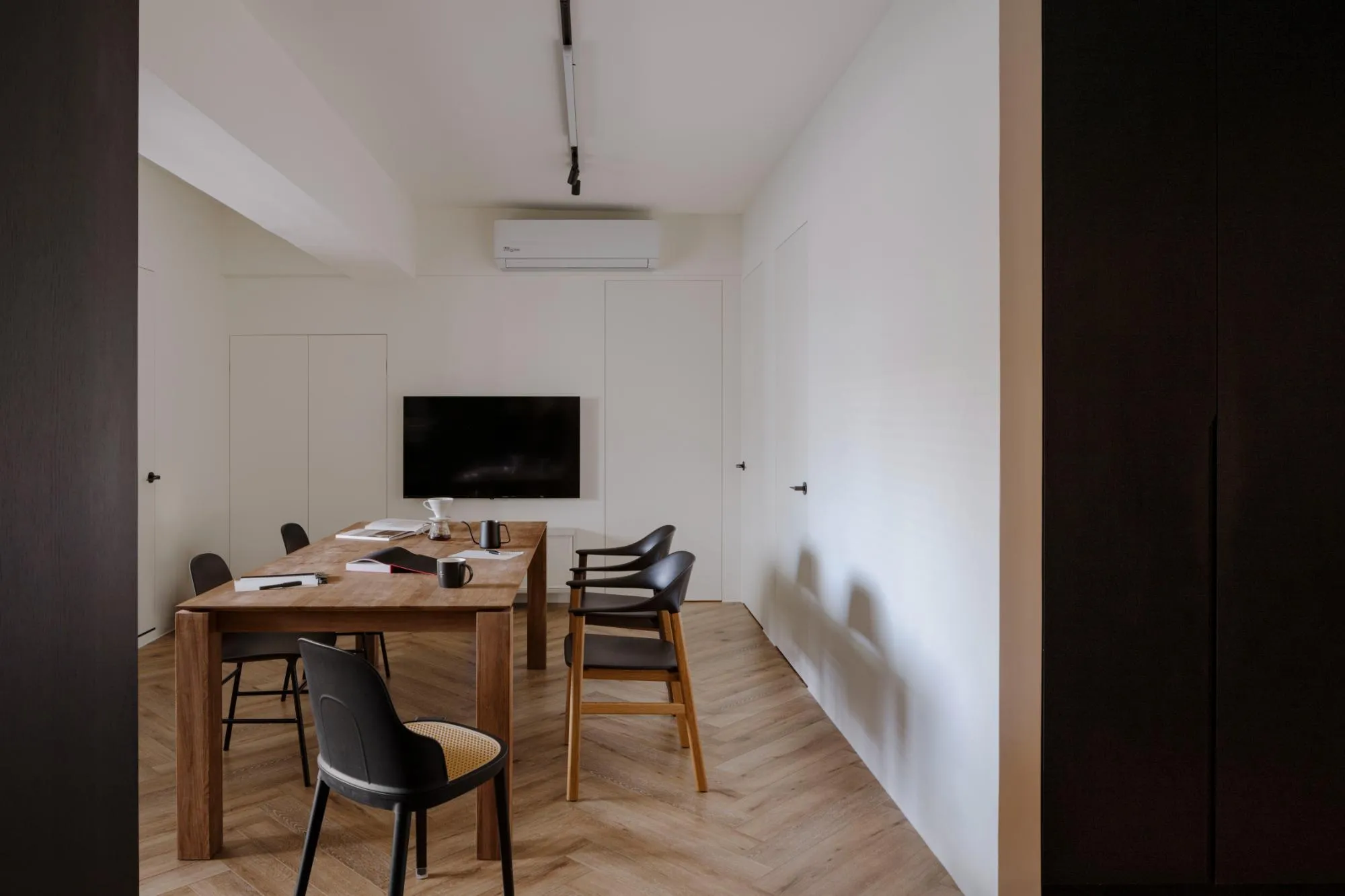
本設計透過方正格局的最大化運用,讓長桌成為家庭交流的核心,同時連結開放式廚房,使用餐、料理與休憩的動線更加流暢。無需繁複的裝修,而是藉由精選材質與光影變化,塑造簡潔且具有層次感的空間體驗。
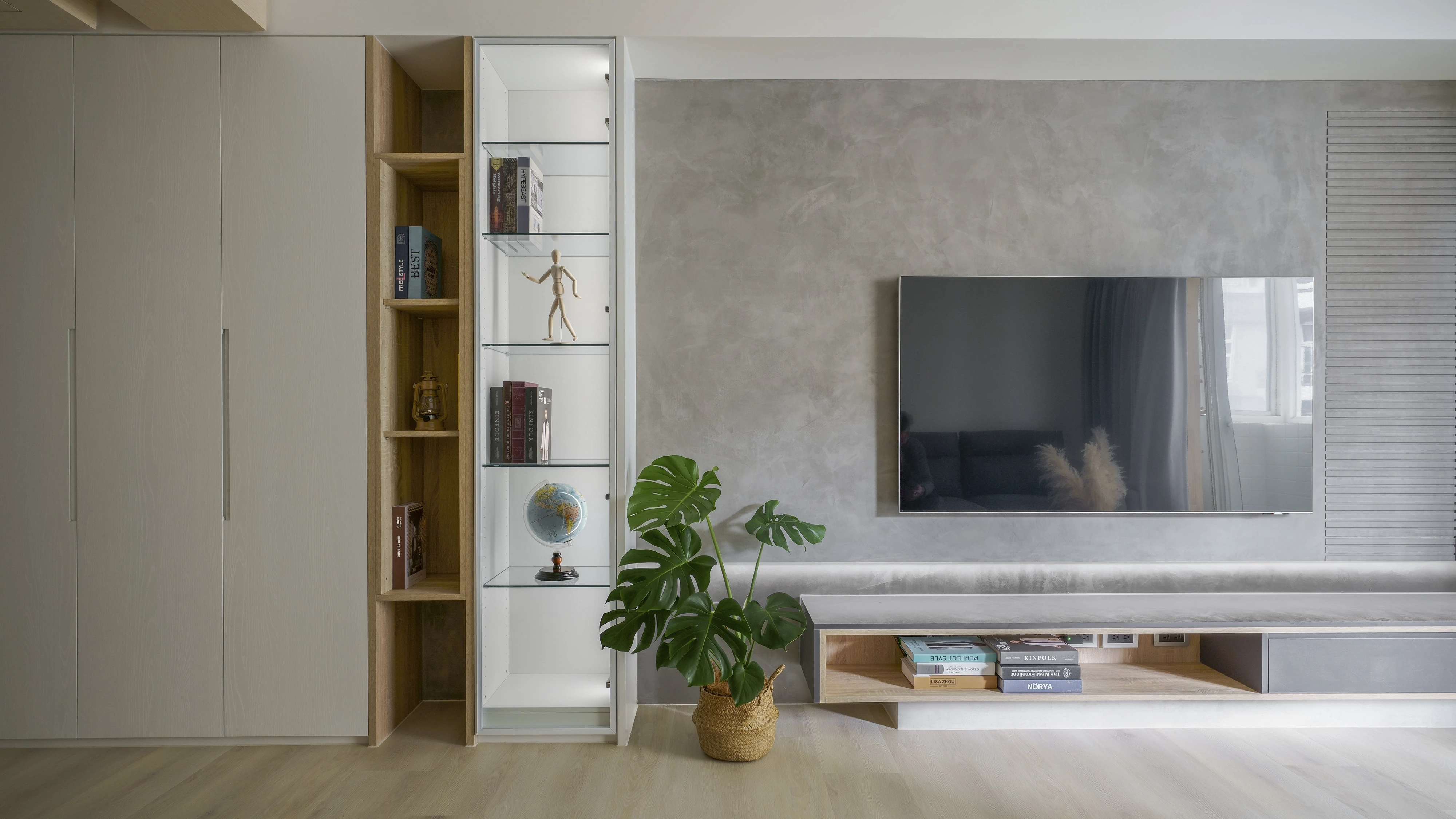
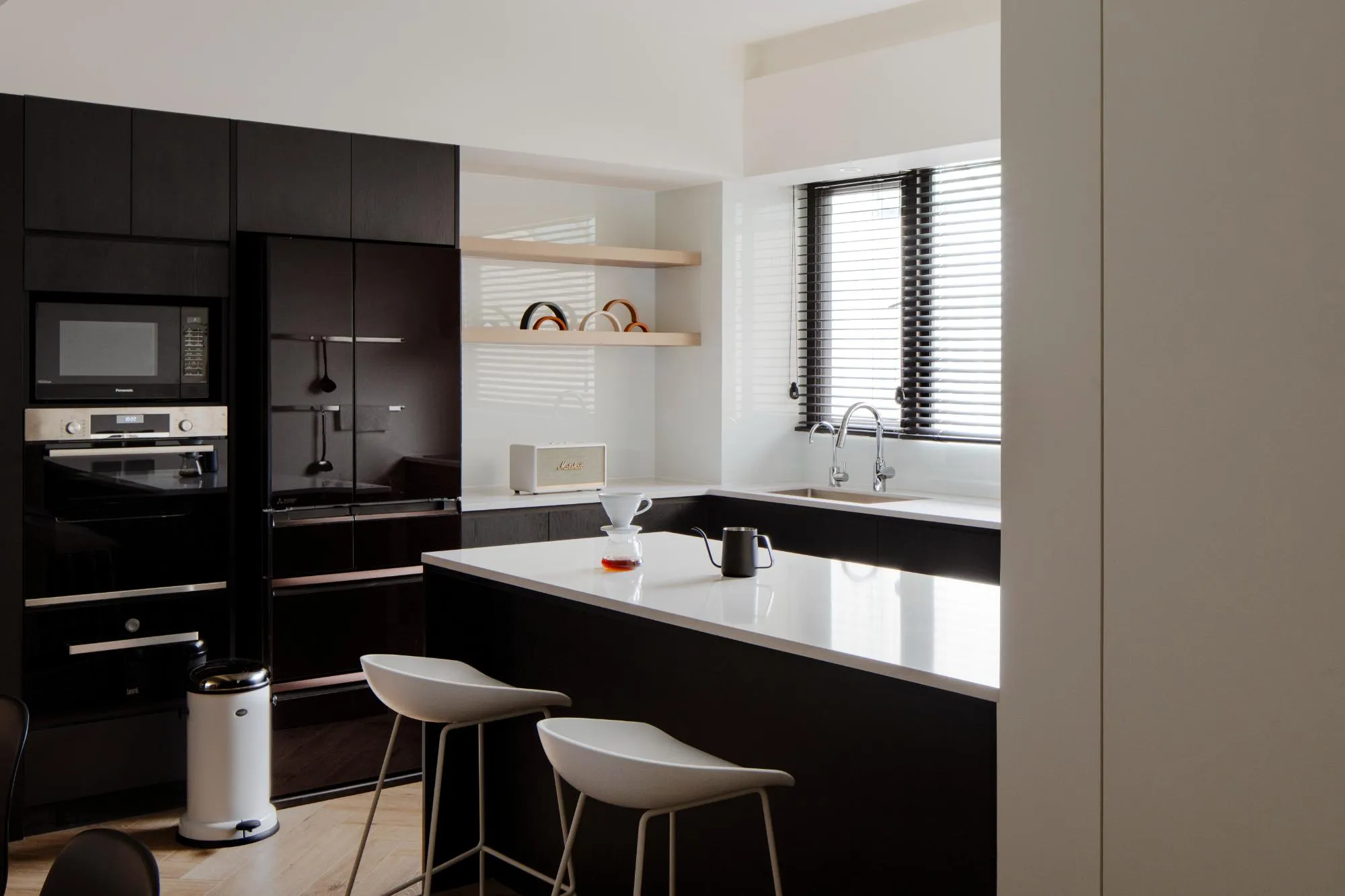
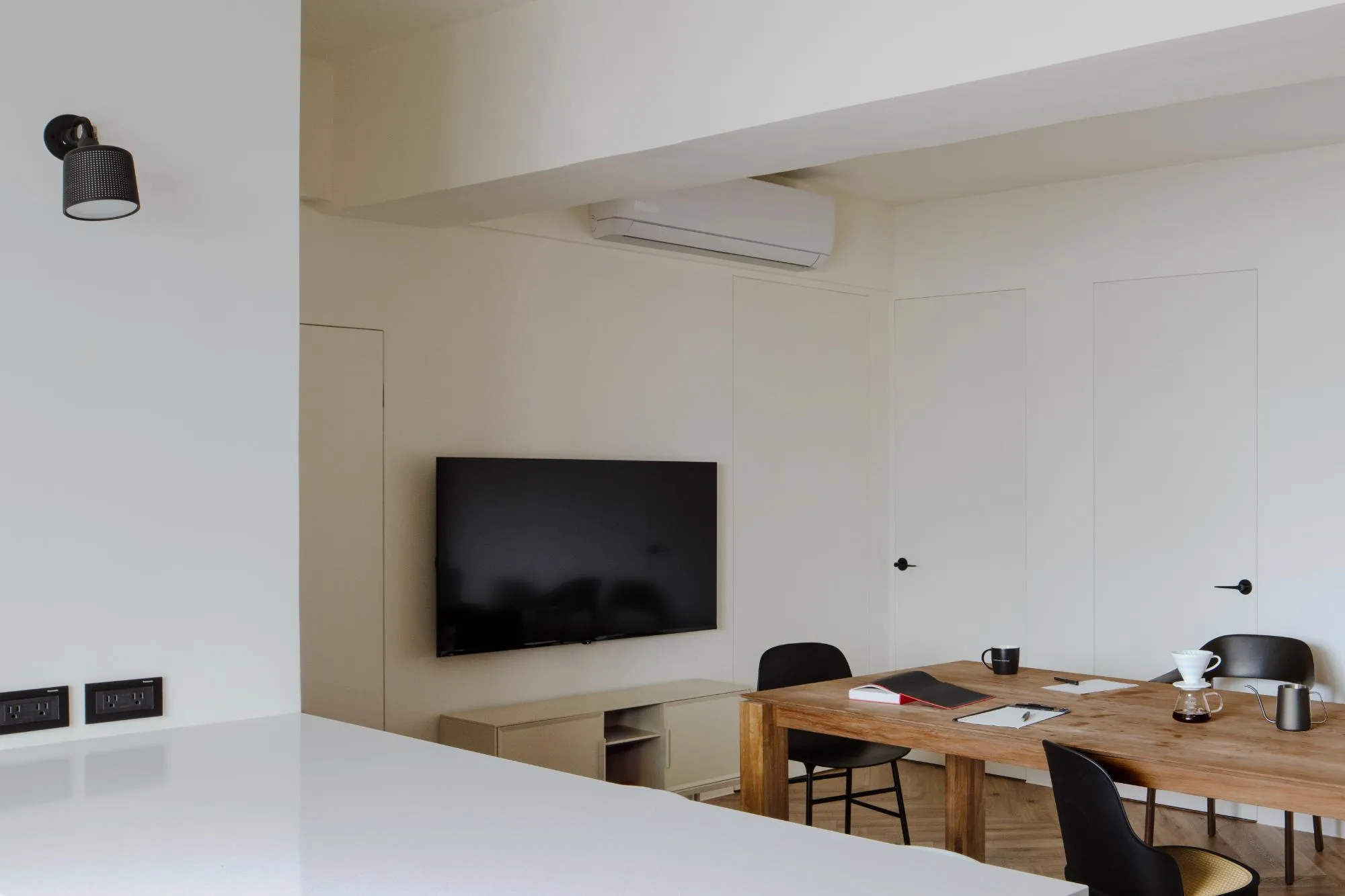
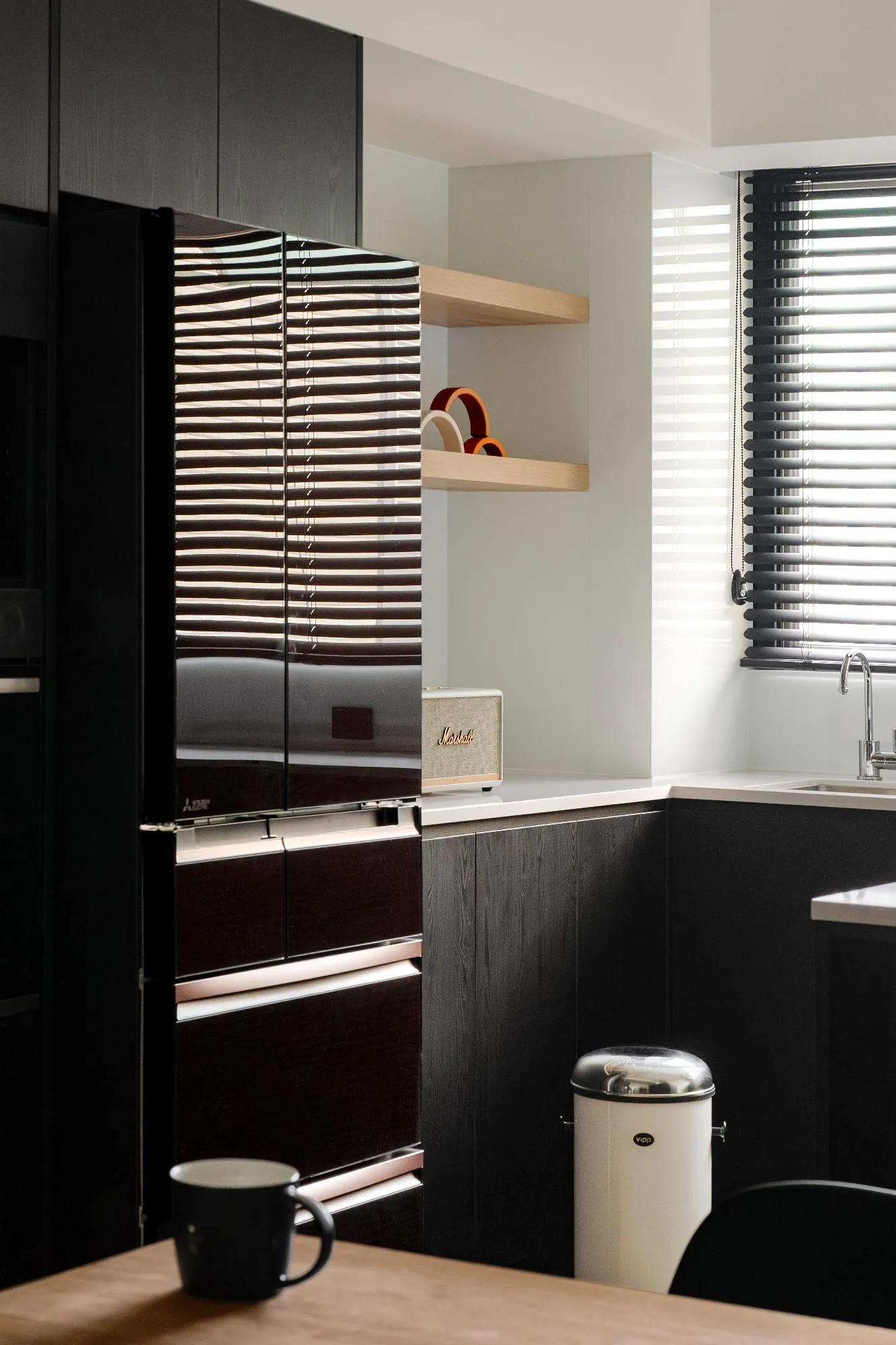
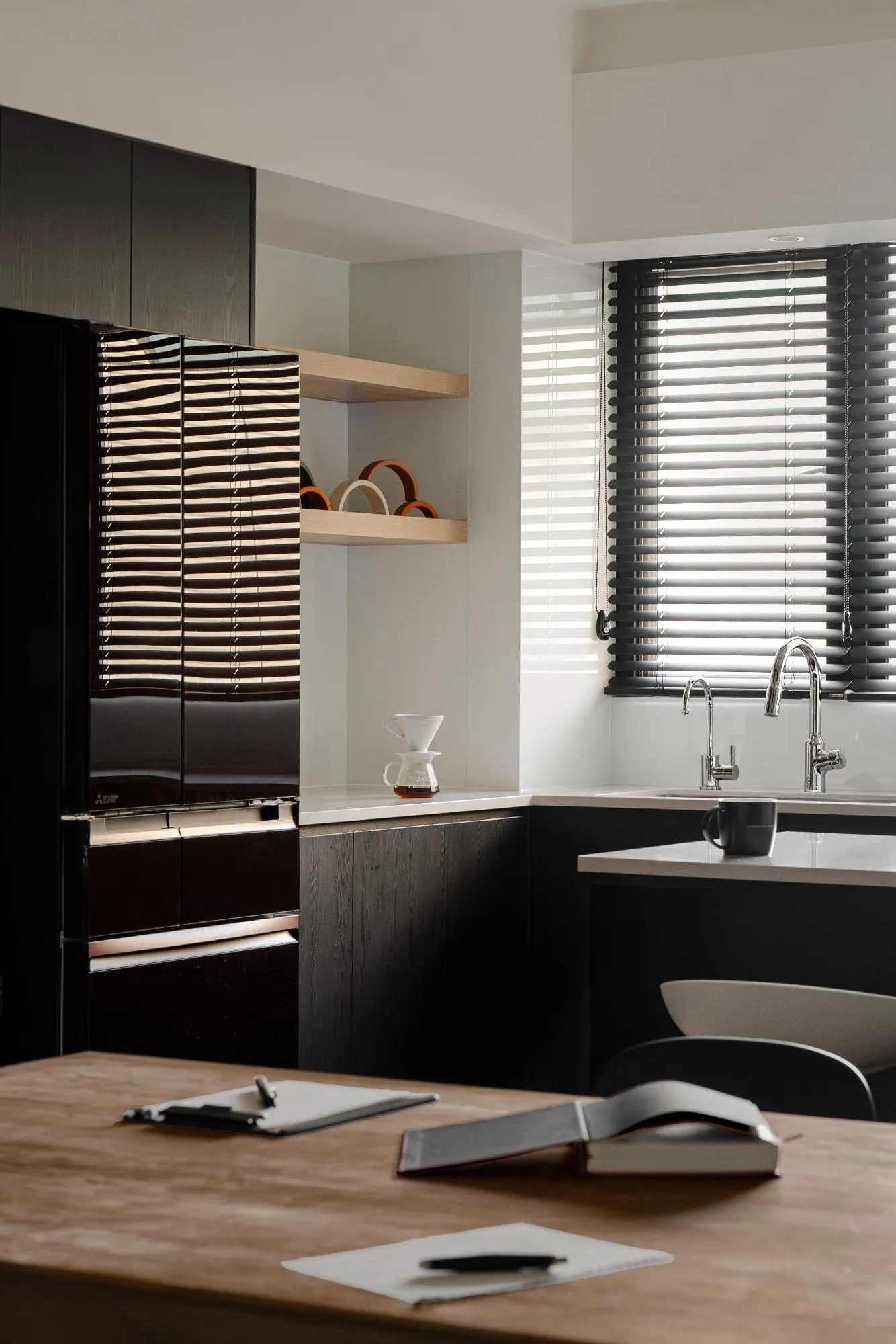
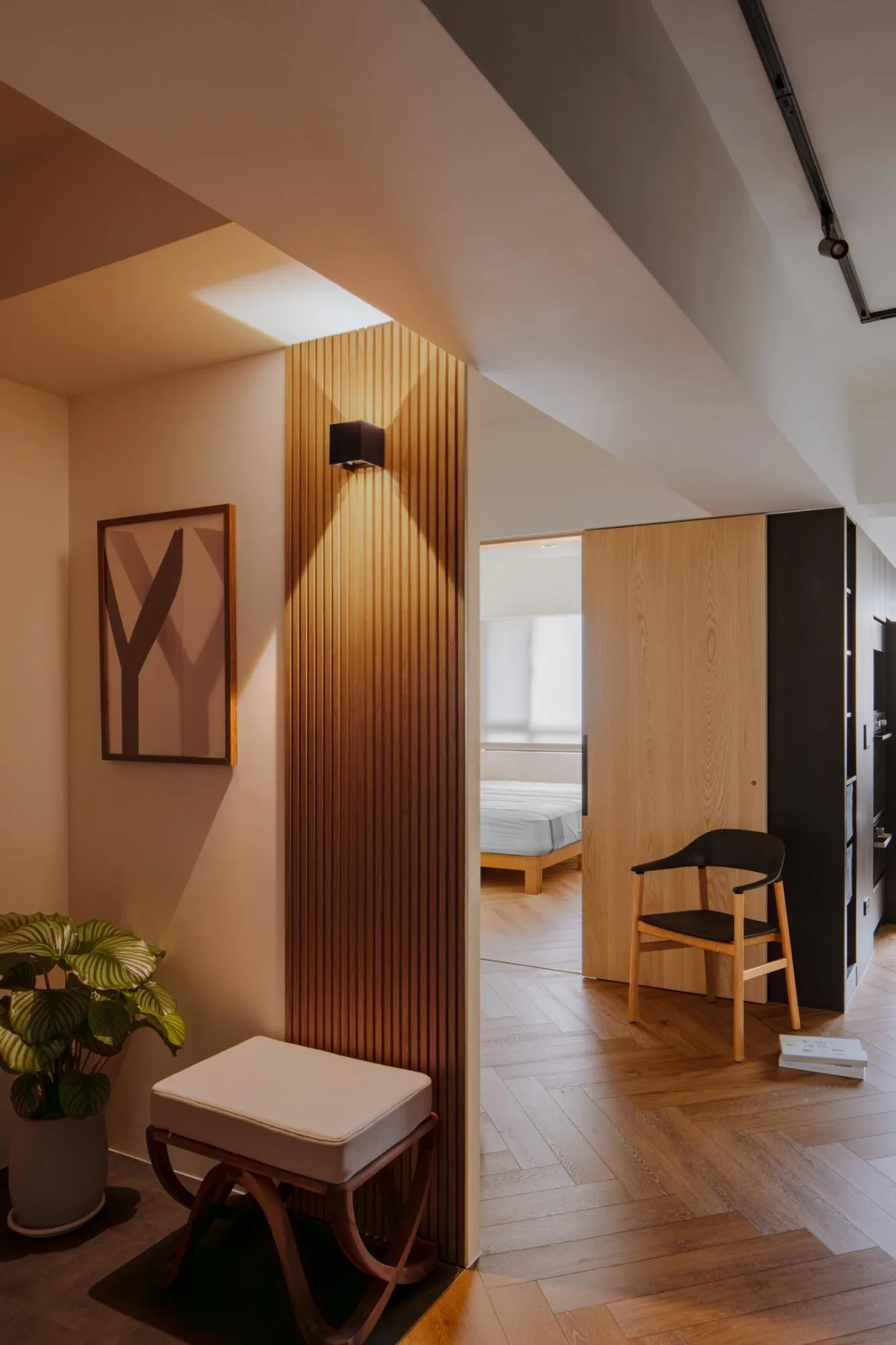
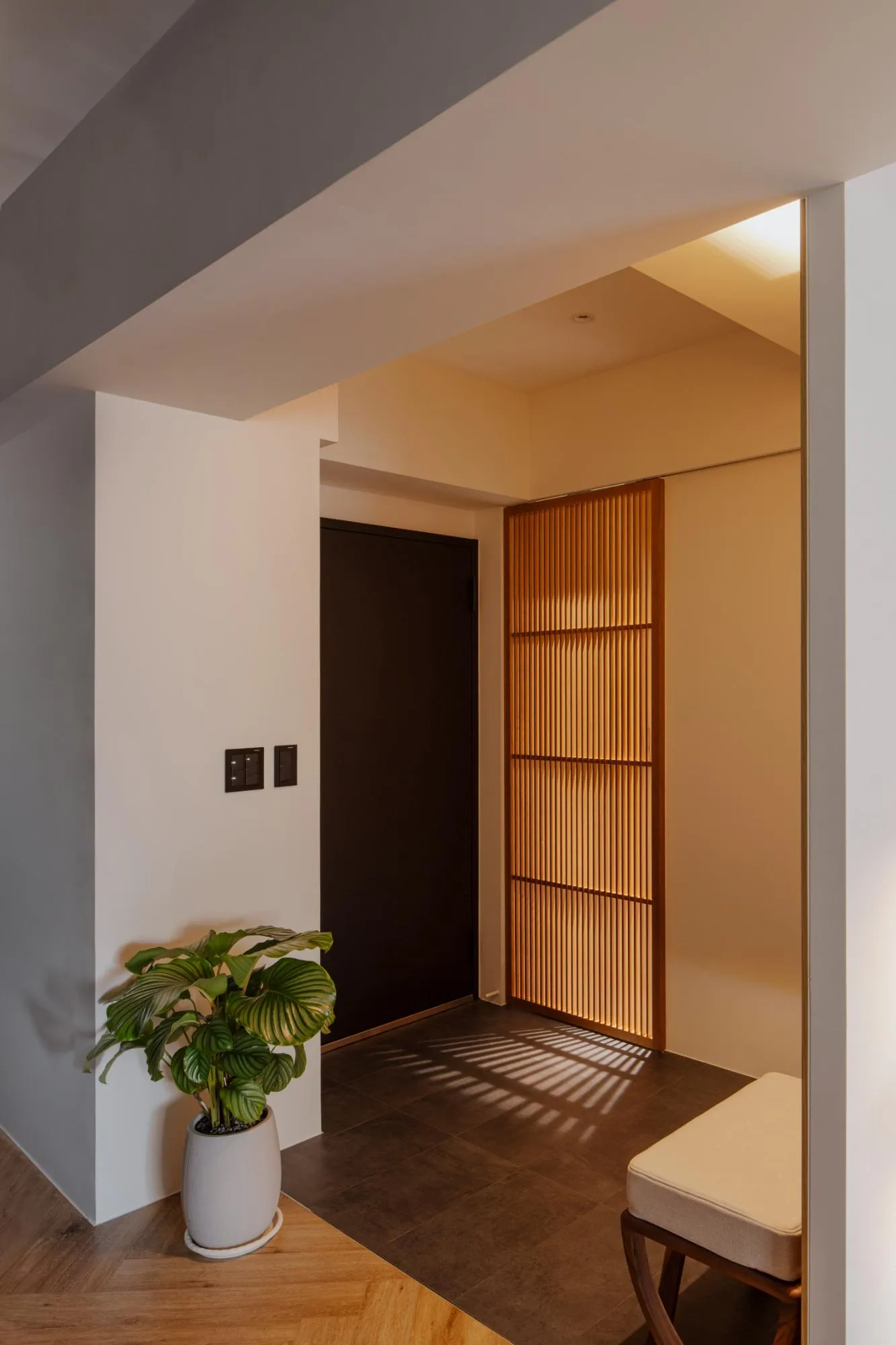
整體色調以黑白為基調,深色櫃體與淺色牆面形成對比,增強視覺張力,同時藉由高光與霧面質感交錯運用,讓黑白設計不顯單調,營造出現代而沉穩的氛圍。客廳無沙發的設計,使空間更加靈活,可依需求設置閱讀角、互動區或展示區,讓空間使用更具彈性。
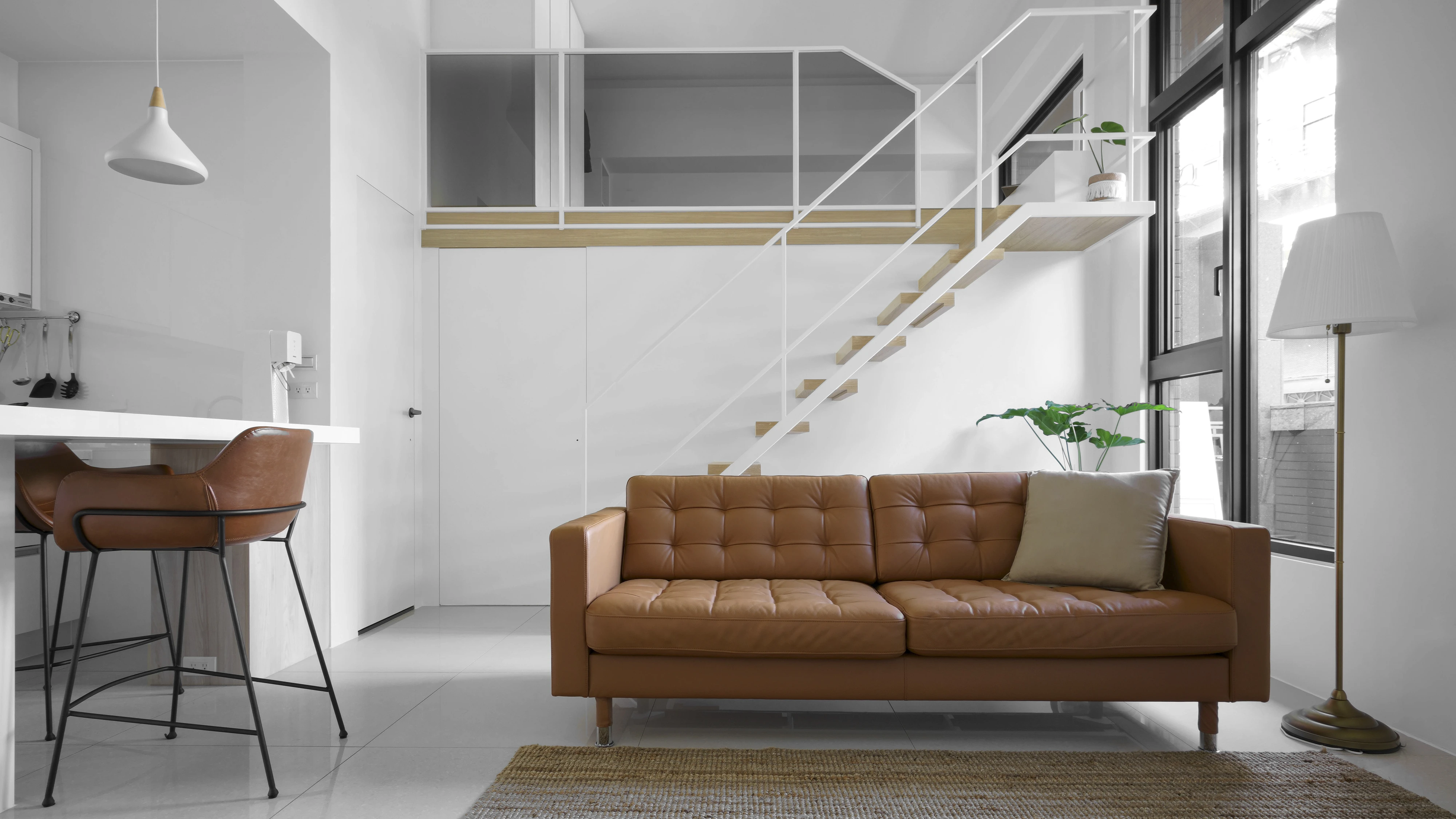
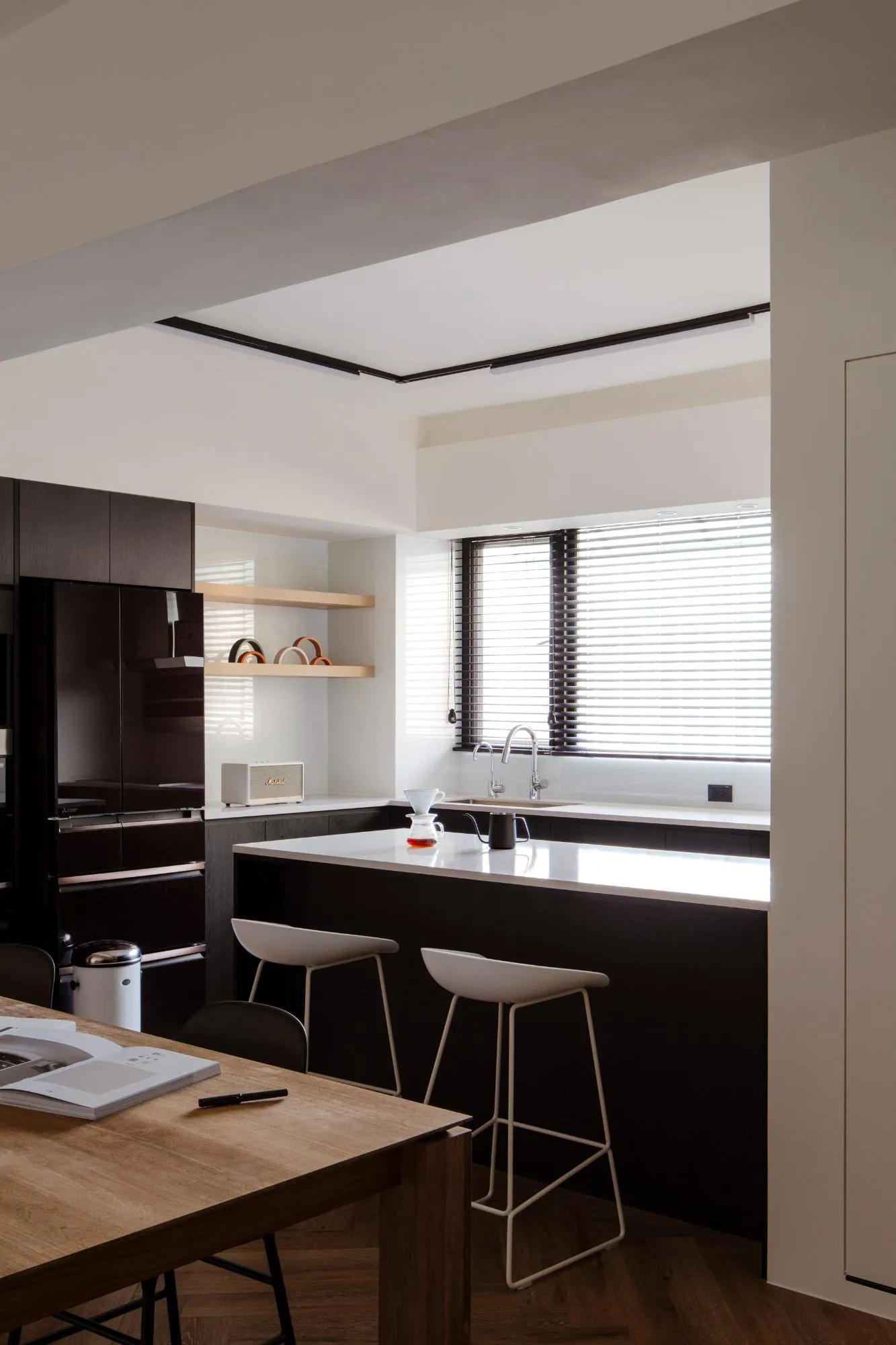
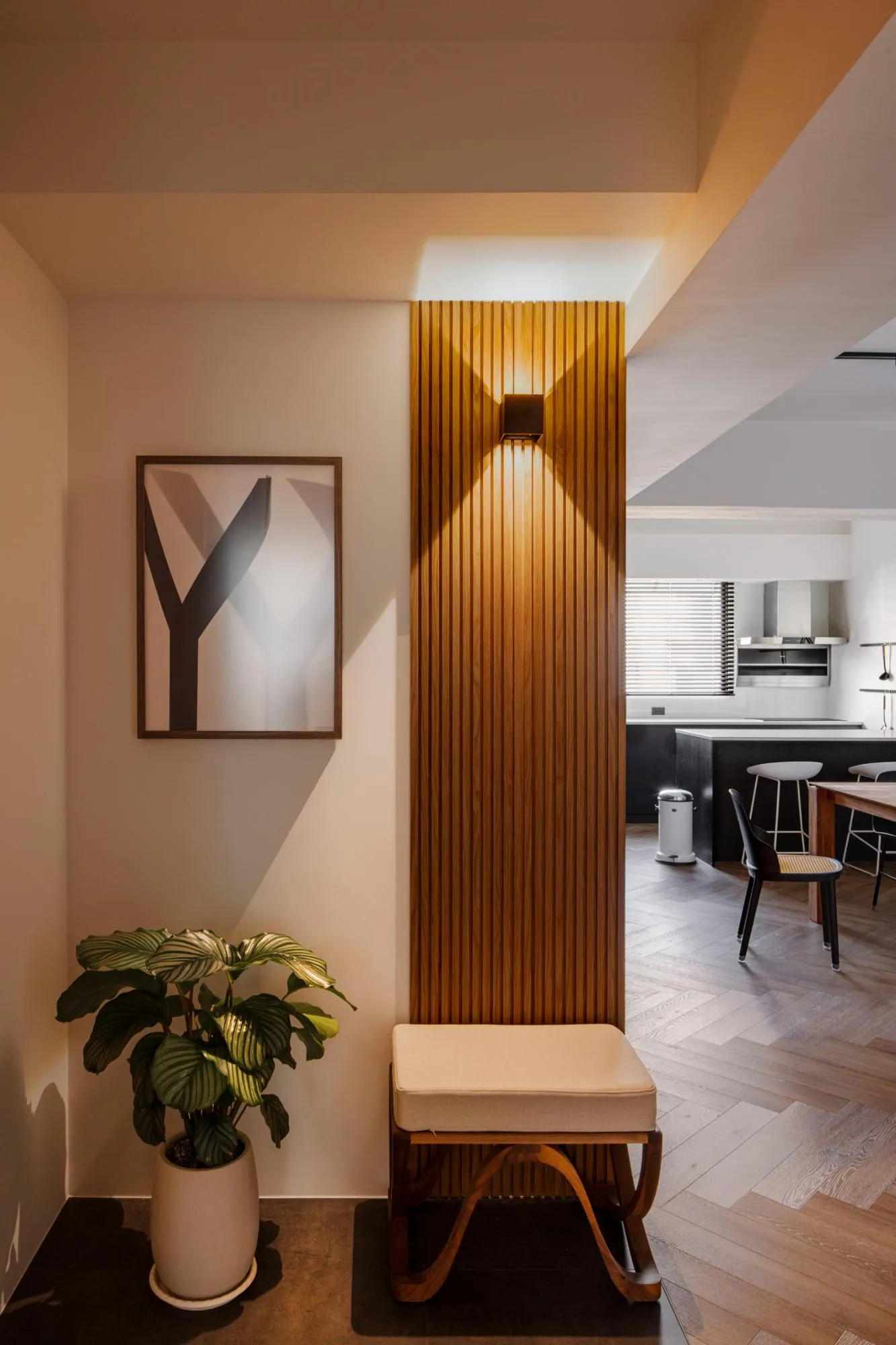
開放式廚房則透過中島或吧檯與客廳相連,使家人能夠在同一空間中自然互動,增強共享感。同時,天花板燈膜提供柔和光源,避免過於冷硬的氛圍,保持空間的溫潤感受。
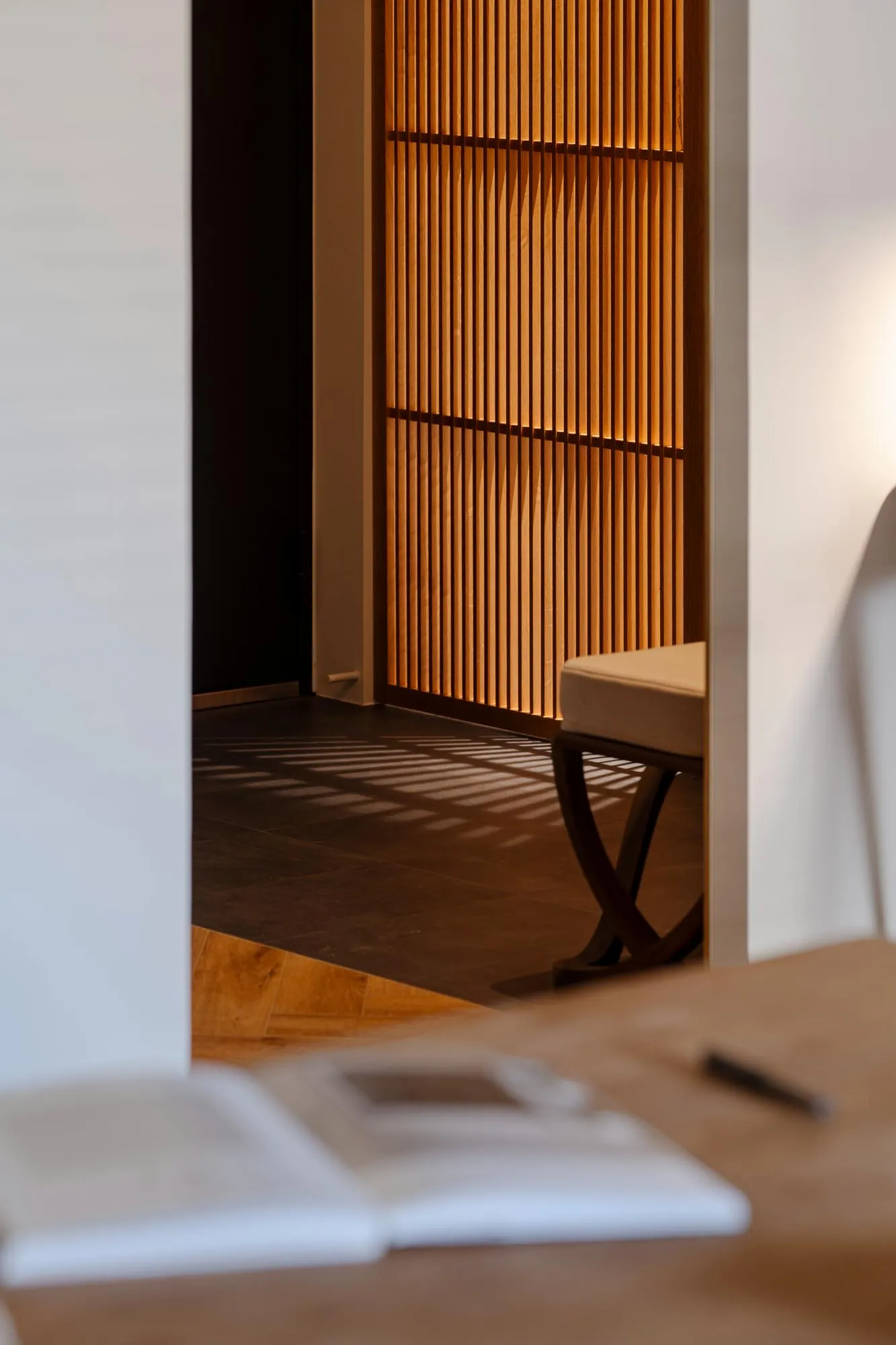
本案不過度裝飾,去除繁複設計,以材質、光線與純粹色彩形塑空間氛圍,回應現代人對於簡約生活、彈性空間與情感互動的需求。最終,讓客廳不只是休憩場所,而是家人共享時光的核心,於純粹空間中
-
The Living Room Redefined: A Minimalist and Interactive Space
Traditionally, the living room revolves around a sofa. However, this design challenges that convention by eliminating excessive decoration and placing a long dining table at the center, complemented by an open kitchen to a minimalist yet interactive living space.
By maximizing the rectangular layout, the long table becomes the heart of family interactions, seamlessly connecting to the open kitchen. This arrangement allows for a fluid transition between dining, cooking, and relaxation. Instead of elaborate decorations, the design relies on carefully selected materials and dynamic lighting to craft a space that is both simple and layered.
The overall palette is black and white, where dark cabinetry contrasts with light-colored walls, enhancing visual depth. A mix of glossy and matte finishes adds texture, preventing the monochrome design from feeling monotonous, while fostering a modern and serene atmosphere. The absence of a sofa makes the space more flexible, allowing for adaptable zones such as a reading nook, an interaction area, or a display section.
The open kitchen is seamlessly connected to the living area through a kitchen island or bar, encouraging natural interactions among family members and reinforcing a sense of togetherness. Additionally, soft ceiling lighting enhances the ambiance, preventing the space from feeling overly stark and maintaining a welcoming warmth.
This design refrains from excessive ornamentation, focusing instead on materials, lighting, and a pure color scheme to shape the atmosphere. It responds to modern desires for simplicity, adaptable spaces, and meaningful interactions. Ultimately, the living room is no longer just a place to rest—it becomes the heart of family life, a space where shared moments and cherished memories are created.
-
住宅設計 墨宅無座 |34坪
-
傳統客廳的核心往往是沙發,而本案顛覆這一慣例,捨棄過多裝飾,以長型餐桌為中心,搭配開放式廚房,打造極簡而富有互動性的生活場域。
本設計透過方正格局的最大化運用,讓長桌成為家庭交流的核心,同時連結開放式廚房,使用餐、料理與休憩的動線更加流暢。無需繁複的裝修,而是藉由精選材質與光影變化,塑造簡潔且具有層次感的空間體驗。
整體色調以黑白為基調,深色櫃體與淺色牆面形成對比,增強視覺張力,同時藉由高光與霧面質感交錯運用,讓黑白設計不顯單調,營造出現代而沉穩的氛圍。客廳無沙發的設計,使空間更加靈活,可依需求設置閱讀角、互動區或展示區,讓空間使用更具彈性。
開放式廚房則透過中島或吧檯與客廳相連,使家人能夠在同一空間中自然互動,增強共享感。同時,天花板燈膜提供柔和光源,避免過於冷硬的氛圍,保持空間的溫潤感受。
本案不過度裝飾,去除繁複設計,以材質、光線與純粹色彩形塑空間氛圍,回應現代人對於簡約生活、彈性空間與情感互動的需求。最終,讓客廳不只是休憩場所,而是家人共享時光的核心,於純粹空間中
-
The Living Room Redefined: A Minimalist and Interactive Space
Traditionally, the living room revolves around a sofa. However, this design challenges that convention by eliminating excessive decoration and placing a long dining table at the center, complemented by an open kitchen to a minimalist yet interactive living space.
By maximizing the rectangular layout, the long table becomes the heart of family interactions, seamlessly connecting to the open kitchen. This arrangement allows for a fluid transition between dining, cooking, and relaxation. Instead of elaborate decorations, the design relies on carefully selected materials and dynamic lighting to craft a space that is both simple and layered.
The overall palette is black and white, where dark cabinetry contrasts with light-colored walls, enhancing visual depth. A mix of glossy and matte finishes adds texture, preventing the monochrome design from feeling monotonous, while fostering a modern and serene atmosphere. The absence of a sofa makes the space more flexible, allowing for adaptable zones such as a reading nook, an interaction area, or a display section.
The open kitchen is seamlessly connected to the living area through a kitchen island or bar, encouraging natural interactions among family members and reinforcing a sense of togetherness. Additionally, soft ceiling lighting enhances the ambiance, preventing the space from feeling overly stark and maintaining a welcoming warmth.
This design refrains from excessive ornamentation, focusing instead on materials, lighting, and a pure color scheme to shape the atmosphere. It responds to modern desires for simplicity, adaptable spaces, and meaningful interactions. Ultimately, the living room is no longer just a place to rest—it becomes the heart of family life, a space where shared moments and cherished memories are created.